
For this week I was fortunate enough to have had an interview with William Pang (later on referred to as WP), a personal friend and veteran Electrician turned Programmer and later on Camera Operator during the 2019 protests. Here are some conversations I have translated from our 1 hour interview.
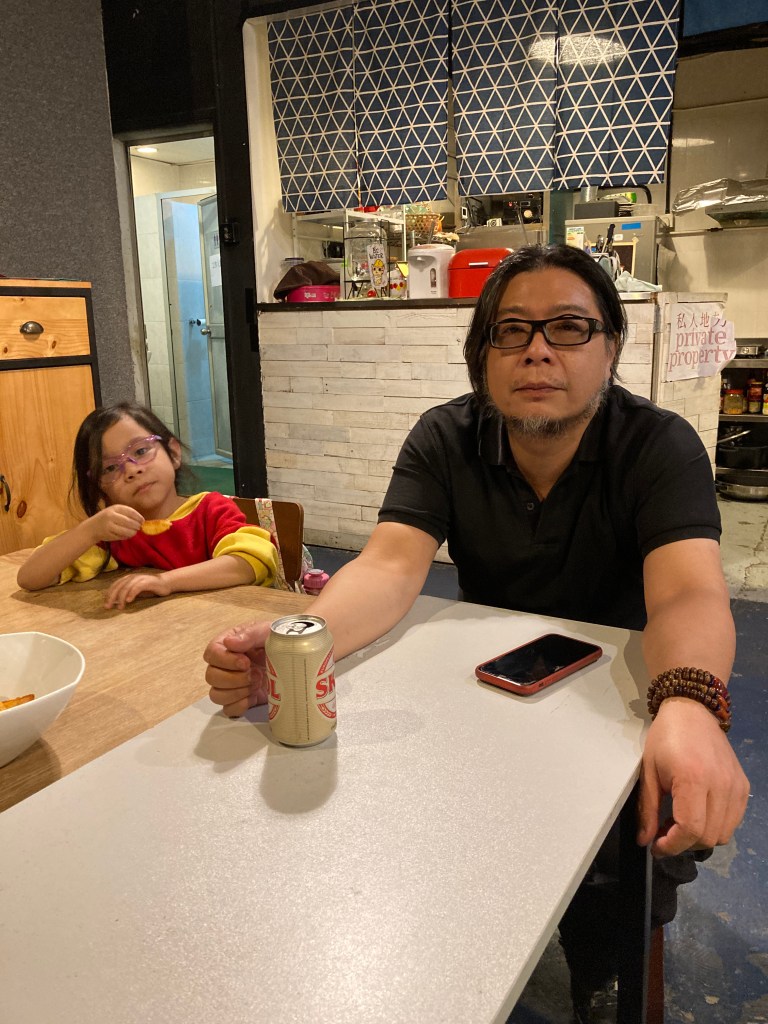
WP = William Pang ME = Andy
ME:
How did you end up becoming a journalist during the demonstrations of 2019?
WP:
I was not officially trained as a journalist, so I could only be referred to as a camera operator. There were not many of us at Local Press HK, and when things got heated in July and we were short of hand, I was invited to “tag along with” to hold a camera and do live coverage.
ME:
How long has online news been around for here in Hong Kong?
WP:
Online news/media proceed the KOLs. It was first popularised with the wider use of the internet and was even more so with the usage of smartphones later on.
Online talk shows were the first to appear, but in the beginning most of them surrounded leisure related topics and lacked news value. It was until the “Umbrella Revolution” of 2014 was when online media started being news and politically driven.
ME:
In your case, before you were sent out to cover the protests live, was there a briefing or a guideline of news reporting ethics, dos and don’ts?
WP:
When we were present at a protest we are not suppose to express any opinion or bear any kind of badges that might suggest opinions, we are also extremely mindful of what we say when broadcasting live.
We were there for the soul purpose of archiving, our team was not weary of gaining viewers on social media or any sort of marketing.
To quote a colleague of mine : We are to stay in line (as reporters), but defend yourself when necessary.
Now a days, news media groups tend to send KOLs to cover stories, and they obviously do things differently compared to the traditional reporter.
ME:
Journalists and Camera Operators of online news media groups alike now interact a lot with users via the comment’s section, what are your thoughts on this?
WP:
I started working in this industry a long time ago, and I have followed the old ways of remaining hidden as a reporter, it was pretty much an industry tradition to remain “invisible”.
News anchors started gaining “character” when local news networks started competing with each other (mainly TVB and ATV), but even back in the “silver age” of television, the staff behind the scenes of the newsroom remained unknown. I believe the trend of celebrity anchors started in Japan (in Asia at least).
For example : Sing of Stand News, who started off as a camera operator and has now established himself as a reporter, has risen to such status due to popularity. A dramatic change that has led to feuds and debates inside the newsroom.
ME:
Any pros and cons to these changes you think?
WP:
In my opinion this is not healthy at all, without proper training in journalism a lot of vital news information was not (and still is) not communicated thoroughly. The way of reporting having shifted to this state is inevitable, the problem does not lie in the anchor’s fame, but in the fact that they are adding in personal opinions.
Reflection
My thoughts on this interview is that there is a new trend in news reporting and it is happening nowhere near a television set, the traditional networks or even the most fundamental guidelines and morals of the classic journalist is fading.
There is no stopping how smartphones and tech are introducing new ways in delivering messages and news. With every channel owner, blogger and KOL creating content that is designed to satisfy Hong Kong’s culture of fast, direct and group targeted, with hit rates being the critical survival factor for these outlets, in other words: the viewers are directly influencing the content that is being released online.
Involvement and opinions have no boundaries on the open world of smart devices. While some might take this in a bitter manner we are all aware that there is no turning back and it is just how the world works now. In taking this trend in a positive manner, the pros and the cons of these methods are to be analyzed, to maximize the efficiency and legitimacy of content being passed around and to raise awareness of responsible use of these technologies.
There were many quick unexpected changes here in Hong Kong in 2019/2020, now that the whole situation is relatively under control, it is time to look at current situations, what are the problems in communication and passing of critical news, and with the tools of graphic design to find and suggest solutions in hopefully being able to settle the gaps and confusions left behind by these events.
Reflection of Interview Techniques
I was well prepared with a set of questions before knocking on William’s door, but there are a few things in which I discovered:
1 : The questions are nice to have, but most often the topic would sway in unexpected turns and could render the rest of the list of questions useless.
2 : The flow and tone of the interview could shift depending on the setting, for example : William’s daughter being present could create small distractions here and there.
YET with the relaxed atmosphere and having cracked open some beers has really changed the tone of the interview after listening to the recordings. I walked in expecting a proper question and answer session and yet it ended up just another day talking with my friend with swearing and laughs along the way.
I think I am a rather proper person when the “work mode” is on, but then in order to make the interviewee feel more relaxed and let more personal thoughts flow, making them feel friendly despite being friends in the first place or not is something I have learnt to cope with and enjoy.
Of course not everyone is up for a beer and would allow ample time to have a “chill” interview, for example : in the last module: it was during the pandemic when interviews had to be conducted over the phone, and some interviewees (I having approached them as a student conducting research, a total stranger), were seated in their office a little while after lunch, and the tone of those would be something simular to what you would hear in a news special.
Before each interview, identify the : location, setting, my relations between the interviewee, their personality / behavior, be prepared but expect sudden shifts in between and be ready to react, listen , think while keeping a note pad handy while interview in progress to revisit interesting points as the interview goes along.
ANDY WAS HERE
 ANDY was here 🤓